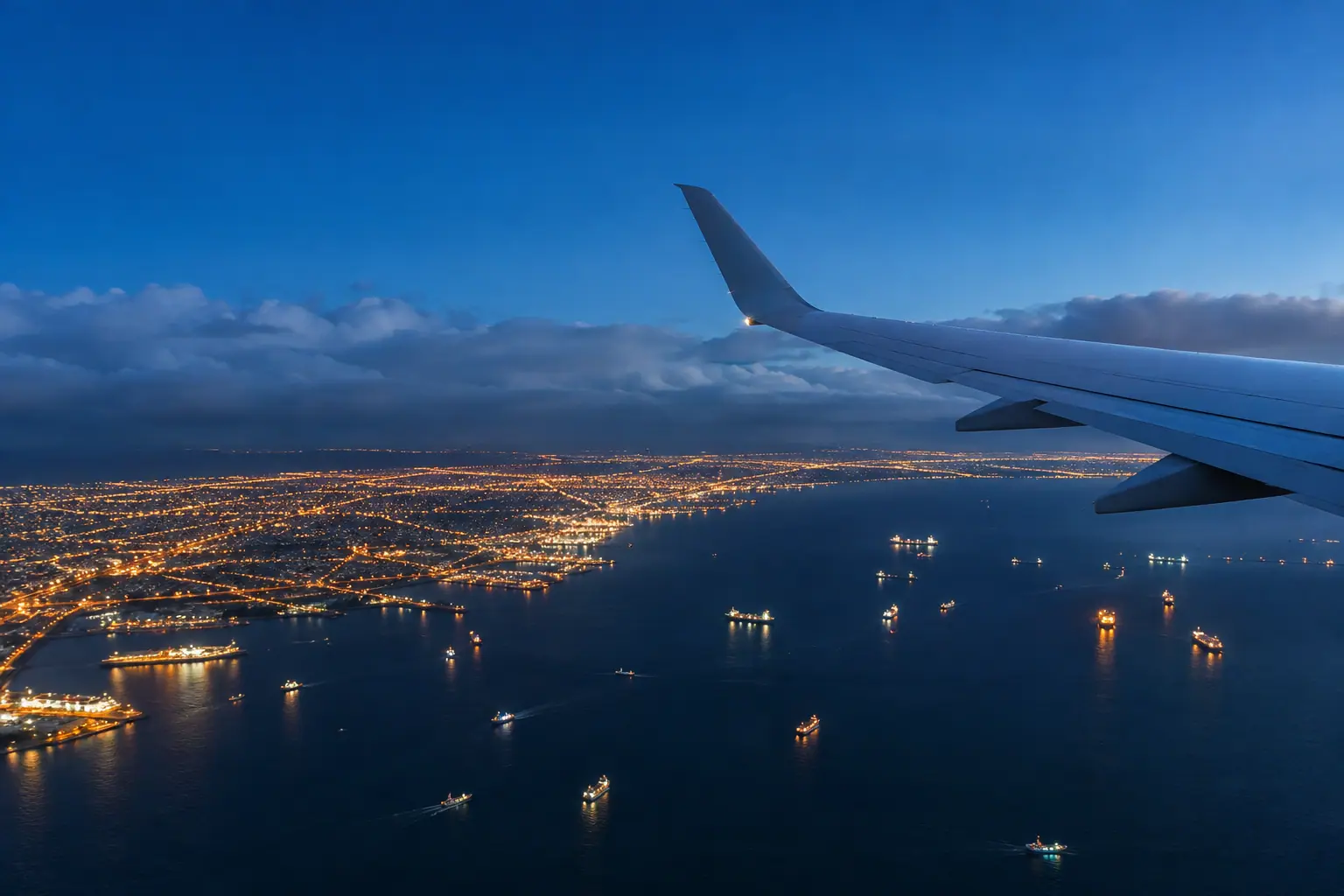
Seattle events jet charter planning
Seattle events jet charter demand follows a calendar, not a whim. July density altitude at Boeing Field reaches about 1,200 feet. Book early for the weeks below.
- Home
- Event dates
Most people think of private aviation as weather-driven. In this city it is event-driven. When the convention center fills, when the stadium district fills, when a cruise season turns the waterfront into a boarding line, the aircraft parked at Boeing Field and Paine Field get spoken for fast. The ramp space does not grow, and neither does the number of crews legally able to fly you.
We arrange charter as a broker, not an operator. The flights you book run under FAA Part 135 operators who hold operational control, and we act as your agent under DOT Part 295. That distinction matters in a busy week: we can search several operators for a jet, but we cannot conjure one that is already committed. What we can do is tell you which weeks to move on early and which aircraft class actually fits the mission.
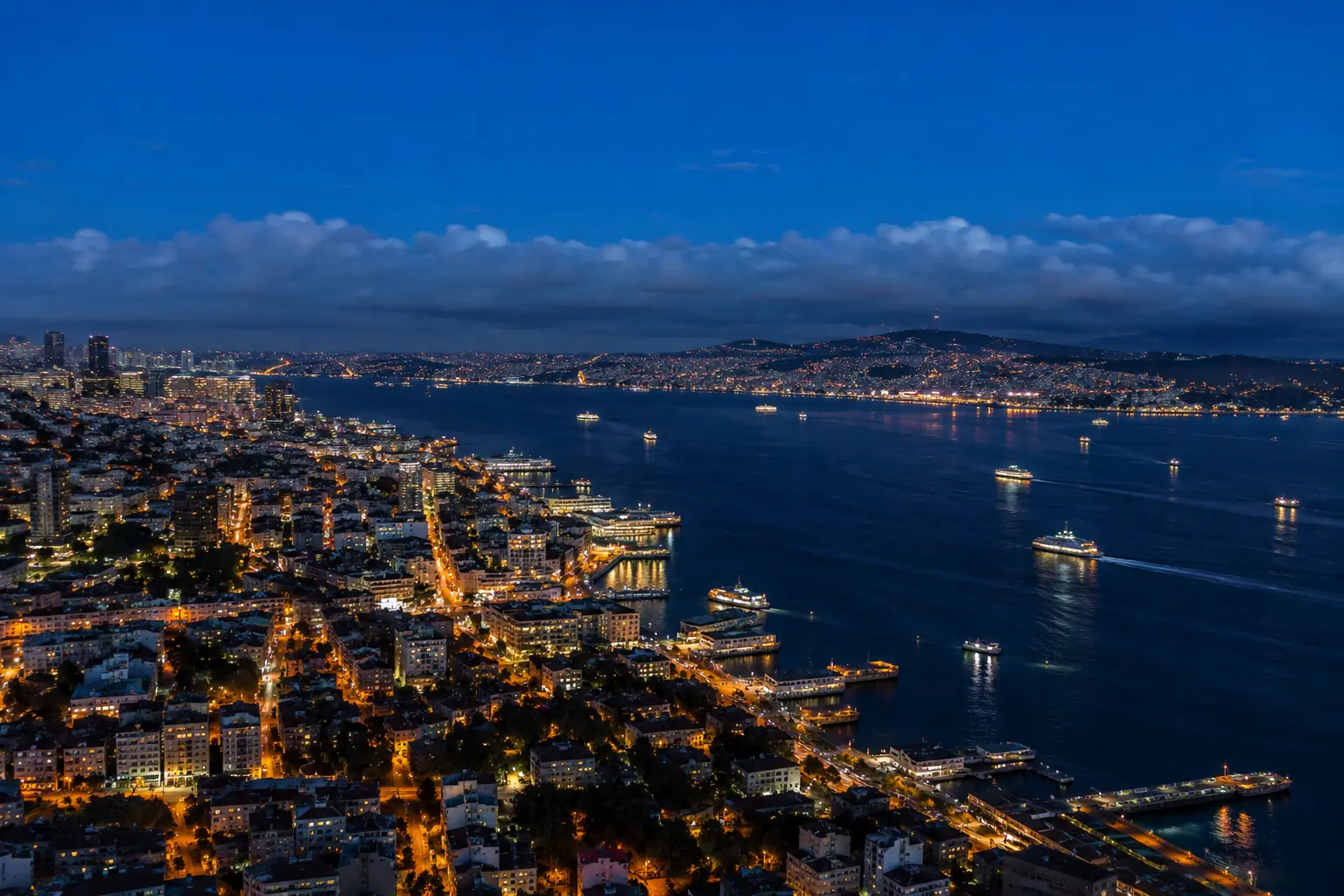
Seattle events jet charter demand
Cruise season sailings
- May through September
Saturday departures from the waterfront piers push families through the region on the same weekends. Light jets and turboprops fill first for short hops to Vancouver and the San Juan area. Boeing Field ramp space is the constraint, not the sky, so lock a tail number weeks ahead.
Seafair and hydro racing
- Late July into early August
A summer weekend when the lake, the bridges and the flight paths all get busy. Out-of-town owners arrive by jet and stay. Seafair week tightens midsize and super-midsize availability across Seattle airports and pushes hourly estimates above a normal July. Start the request in June, not the week of.
Mariners and Seahawks home stands
- April through December
Game weekends compress the stadium district and the hotel blocks near it. Corporate groups often fly in Friday and out Sunday, which puts pressure on the same arrival and departure windows. A turboprop can beat a light jet here when the trip is under 1,500 nautical miles.
Boeing and aerospace supplier meetings
- Year-round, heaviest in spring and fall
Boeing Field is the corporate doorstep for suppliers flying in from Wichita, Montreal and Southern California. Midweek morning arrivals stack up. When supplier meetings cluster midweek, then heavy jets need longer ramp time at Boeing Field and we often route large groups through Seattle-Tacoma International instead.
Tech conferences downtown
- Spring and fall
Conference weeks pull thousands of attendees into downtown hotels and push demand for ground transport as much as for aircraft. Book the jet and the car together. If your meeting ends on a Thursday, then a same-evening departure is realistic only if the aircraft is already on the ground.
University of Washington events
- September through June
Graduation, football Saturdays and academic conferences each create short bursts of demand. The bursts are brief but sharp. Families flying in for a single day do better with a light jet into Boeing Field than with a commercial connection through Sea-Tac. Book the return leg when you book the outbound.
Holiday travel peaks
- Late November through early January
The hardest weeks of the year to fill on short notice. Aircraft reposition toward warm-weather bases, and empty legs dry up. If you are planning a holiday trip to Cabo San Lucas or the Rockies, then start the request in October rather than December.
Ski season shuttles
- December through March
Stevens Pass and Snoqualmie Summit traffic is a road problem, not a runway problem, but the private flights that feed mountain lodges spike. A light jet covers the Aspen run from Seattle in about 2 hours 20 minutes as an estimate. Winter deicing adds time to every departure, so build slack into the schedule.
Summer festival weekends
- June through August
Music and arts festivals bring charter groups who want one-way arrivals and flexible returns. One-way pricing on a light jet run from Los Angeles starts around $8,500 as an estimate. When a festival ends, everyone leaves at once, so we book the return leg at the same time as the outbound.
Book a jet around a Seattle event week
Start with the airport, not the aircraft. Boeing Field has a 10,007-foot runway at 21 feet of elevation, which suits everything from a Pilatus PC-12 NGX to a Falcon 900LX. Paine Field gives you a 9,010-foot runway at 606 feet, and Bremerton National is the quieter fallback with a 6,000-foot runway. For a downtown meeting, a midsize jet into Boeing Field beats a heavy jet routed elsewhere.
Then match the class to the mission. A light jet like the Citation CJ4 Gen2 carries 7 passengers and cruises at 451 knots, enough for a 2-hour run to the Bay Area. Heavy jets such as the Challenger 650 carry 12 and cover transcontinental distances. Super-midsize aircraft such as the Gulfstream G280 fit most Seattle event weeks and still use the smaller ramps. Prices are estimates until an operator confirms a tail number, crew and insurance for your dates. International returns, from Cabo San Lucas or Turks and Caicos, need CBP clearance arranged in advance, and every passenger list is screened under TSA rules before departure.
Questions
How busy is Seattle events jet charter demand in summer?
Summer is the tightest stretch. Cruise sailings run May through September, Seafair lands in late July into early August, and festival weekends continue through August. July density altitude at Boeing Field reaches about 1,200 feet, which can trim payload on hot afternoons. For a round trip in that window, start the request several weeks out so we can compare operators.
Which airport should I use for a downtown Seattle event?
Boeing Field, KBFI, is closest to downtown and has a 10,007-foot runway at 21 feet of elevation. It handles light jets through heavy jets. Paine Field is the second option with a 9,010-foot runway. Seattle-Tacoma International has the longest runway at 11,901 feet and one FBO, so it suits the largest aircraft and international departures.
Do summer temperatures affect departures from Seattle?
They can. Boeing Field reaches an estimated density altitude of about 1,200 feet in July and up to 1,800 feet at 115F. Paine Field runs higher because it sits at 606 feet, with July density altitude near 1,900 feet and a 115F peak around 2,500 feet. Density altitude reduces performance, so payload or fuel may be adjusted on hot afternoons.
How far ahead should I book during a busy event week?
Earlier than you think. Cruise sailings, Seafair and holiday weeks absorb aircraft quickly, and ramp space at the four Seattle-area airports does not expand. For a round trip during a peak week, start the request several weeks out so we can compare operators. Short-notice requests usually mean fewer aircraft choices and estimates at the upper end.
Can I get a one-way flight into Seattle for an event?
Yes. One-way pricing is common, and a light jet from Las Vegas, 757 nautical miles, runs about 2 hours 9 minutes and $8,000 to $12,500 as an estimate. One-way trips can also pair with repositioning aircraft, which sometimes lowers the cost. Empty legs appear unpredictably, though, so treat them as a bonus rather than a plan.
Who is responsible for the flight itself?
The operator is. Every flight we arrange is flown by an FAA Part 135 operator that holds operational control, including crew scheduling, maintenance and dispatch. We act as your agent under DOT Part 295, comparing aircraft and pricing across operators. That means your contract for the flight itself is with the operator, and our job is to find the right one.
Are prices on this page guaranteed?
No. Every figure here is an estimate based on typical aircraft classes and route distances. Actual pricing depends on the specific tail number, crew availability, fuel, landing fees and the week you fly. We confirm a firm quote only after an operator commits an aircraft to your dates and the passenger list clears TSA screening.